Episode Transcript
[00:00:00] Speaker A: Foreign.
[00:00:11] Speaker B: Father is great to have you on the program.
You are one of our most popular writers at Crisis magazine and you know, it's an honor. We were saying right before we went live that, that we've never actually met before. Even though you've written for. How, how long have you written for Crisis? I've been in Crisis for almost five years now.
And how long have you been sending to Crisis?
[00:00:30] Speaker A: I think I was thinking about the other day, probably 11 years. Wow. Perhaps 12.
So I've gone through enough. I've gone through a number of editors. Yes, you're my favorite editor.
[00:00:42] Speaker B: Oh, thank you very much.
[00:00:46] Speaker B: Yeah. And honestly, every time my inbox gets hit by one of your emails, I'm like, there we go. We got one, we got a good one to get out there. So I get lots of submissions and you know, some are good, some are not so good. I always. There's like three categories. There's the reject immediately, accept immediately, and the hold and kind of read and consider and think about it. You're always in the accept immediately categories.
[00:01:10] Speaker A: You're very kind.
Thank you. Thank you.
[00:01:13] Speaker B: So we want to talk. You have a new book out.
It's based on your writings from decades of writing called Torches against the Abyss. Is that right?
[00:01:22] Speaker A: Yeah, that's correct.
[00:01:23] Speaker B: Yeah, I had it. There it is, I have it written down to make sure. Torches against the Abyss.
And it's, you know, I, I was looking through it, I'm electronic version of it, so I can't hold it in front of you, in front of the audience. But it's, it's wonderful. It's, it's got your writings from various different publications you've done. Puts it together in a way.
I think some people, they, they, they hear about an anthology type thing and immediately like, well, I could just get that all online. But I really felt like the way this book was put together, it really lets see kind of the.
[00:01:58] Speaker B: Thought process overall. Like instead of just each individual article, you get your whole outlook. And so I really do, I encourage people. I'll put a link in the show notes for people to buy it, but it's great. So I want to talk about the themes there in the book. But before we get started really on that, you just tell me a little bit about your background. Obviously you're a priest, but I don't even, honestly, I can't remember now if you're diocesan priest, religious order and things. You know, are you a convert? Are you a cradle Catholic? Things like, what's a little bit about your background that you're coming from.
[00:02:30] Speaker A: Yes, Eric, very much a cradle Catholic. I was born in Jersey City, N.J.
jersey City, right near Manhattan. And I attended all Catholic schools, and I attended all the Catholic schools in what I call in one of my articles, the Golden Age of Catholicism in Jersey City. It must have had about in the 1950s and early 60s, at least. Oh, my goodness, 58 parishes, all of them having its own grammar school, every grammar school having at least 1,000 Catholic children.
It was a magnificent time to be young.
I entered the seminary in 1970 for the archdiocese of. Of Newark, which is right across the. The river from New York City. And I was ordained a priest in 1976 for the archdiocese of Newark.
And I will happily be celebrating my 50th golden jubilee anniversary this coming May, 2029.
[00:03:34] Speaker B: Congratulations.
[00:03:35] Speaker A: Thank you.
I served in a parish in Hoboken, New Jersey, right near the Hudson river, the place where on the Waterfront was filmed, if some of your viewers may remember that great classic.
And after that, I went away for studies and soon after began teaching at St. John's University in Jamaica, New York.
That was my first teaching assignment, and it was a wonderful first teaching assignment. I was in a philosophy department with some of the finest Thomas I had ever met.
And it was a very large, at the time, the largest Catholic university.
And it was great, great fun.
And then I moved on from there to St. Francis College in. That would be Brooklyn, New York.
And I spent 37 years there intimately teaching also at other colleges like St. Thomas Aquinas and New New York.
I taught at college, Catholic College in Pennsylvania.
Finally, I settled in Iona University, which is in New Rochelle, New York. And that's where I am presently professor. I don't teach nearly as much as I used to, only because they have decreased the credits in philosophy, the obligatory credits, so they don't require too many professors.
But yes, there's at least 72 years, 72.
At least 42 years in teaching.
In addition to that, I.
I spent a lot of time publishing articles.
[00:05:19] Speaker A: I had lived in Manhattan when I first was given a leave from the Archdeacon of Newark to teach.
I required a domicile and a canonical domicile. And I asked my dear friend Monseigneur Eugene Clark, who was a noteworthy churchman in the church at that time, and he had been pastor of the legendary St. Agnes Church in Manhattan, where Fulton Sheen had preached seven last words. And he asked if I would come and make that my canonical residence. I jumped at the chance. And so in 1989, I took up my residence in Manhattan.
[00:06:01] Speaker A: And stayed there for 11 wonderful years.
[00:06:05] Speaker A: Refer to it as my Camelot years. Why so? Because I was in the epicenter of the world, as it were, but also the epicenter of Catholicism and a deep and rich and robust traditional.
When I arrived at St Agnes.
[00:06:24] Speaker A: Pope John Paul II had just issued his.
His decree Ecclesia d' Art Flicton, which released the Trident Mass. And monsieur Clark at St Agnes was one of the first to implement it. When I arrived there, he gave me the privilege of organizing it for this major midtown parish. And we did. And, Eric, it was so delightful to see that The Mass at St. Agnes had over 500 people beginning in 1989. So we were kind of pioneers in that and met wonderful people. Monsieur Clark asked me if I would ever think of starting a little Catholic organization for the sake of educating Catholics in the faith, since we were in the Tifa crisis. And at his suggestion, I began an organization, which he helped me with, called Christy Fidelis, because Pope John Paul II had just issued that decree on the proper role of layman in the church. So I thought that would be an appropriate, timely title for it.
And that afforded me the opportunity to have monthly guest speakers. And that went on for about nine years.
We had every notable Catholic intellectual, including people like Antonin Scalia, Robert Bork.
[00:07:44] Speaker A: And so many, many notable Catholic. Was a lot of fun doing that.
That finally ended, and I continued teaching full time, and.
[00:07:54] Speaker A: That'S where I am now.
[00:07:57] Speaker B: Yeah. It's interesting that you entered seminary in 1970, ordained in 1976, and so you literally entering seminary right when the new Mass is being promulgated, right in the middle of all the massive changes going on church. I mean, while you're in a seminary, you know, thousands upon thousands of priests are leaving the priesthood at the same time.
What was kind of your attitude then? Not now, but like, then, were you kind of. Were you one that was caught up in, like, oh, this is going to.
[00:08:29] Speaker A: Be a great reform.
[00:08:29] Speaker B: We're going to help things? Were you already a little bit skeptical? Like, what was your attitude when you entered the seminary in 1970 when everybody was saying, this is going to really revise, ref. You know, revive the church? We're going to be. This is going to be great. Everything's going to be hunk, you know, so much better now that we have this new Mass and all the other new things that we're doing? I just wonder what your attitude was at the time.
[00:08:49] Speaker A: I loathed it.
[00:08:53] Speaker B: Even then.
[00:08:54] Speaker A: Even loathed it. I loathed it.
[00:08:59] Speaker A: The moment that the Mass started changing, if you recall, it was changed incrementally, right? And so I.
I was protesting against it constantly as a teenager in my Catholic high school, I think the Brothers, the Marist Brothers, who taught me, thought I was this tremendous troublemaker who just despised all the change that were coming out. I saw no value in them. I was nurturing myself on people like Dietrich von Hildebrand and his wife.
And his wife. I was. Was devouring people like Michael Davies.
And more and more intellectually, I saw.
I saw the fraud of it all.
[00:09:42] Speaker A: I was part of a Catholic Church that had reached the peak of its height in 1962.
I agreed with Cardinal Heenan when in 1959, Pope John XXIII announced his intention to have a Second Vatican Council. And that noted Archbishop of Westminster said, this is tempting the Holy Spirit.
[00:10:07] Speaker A: What did he mean by that?
The Church had never been in a better situation. On every continent in the world, the convert rate was sky high.
Seminaries and novitiates and convents were bursting at the seams. A place like the Archdiocese of Boston, Eric, were ordaining so many priests that their rectories could not hold them.
So what did Cardinal Cushing did? He started the St James Society as a way to send his priests to South America where they were so desperately needed because he didn't have the facilities to hold them.
[00:10:50] Speaker A: The hospitals being built, orphanages being built.
Cardinal Heenan was right in saying, this is a sin against the Holy Spirit, that we are saying to God, given this beautiful renaissance that the Church is experiencing, probably the greatest since the Council of Trent, with all the crises that the Church experienced and those intervening 400 years, we had reached an apogee that was simply remarkable.
And Pope John XXIII said it needed to be fixed.
[00:11:28] Speaker A: I found that intellectually and emotionally upsetting.
I found it dishonest.
[00:11:37] Speaker A: And so therefore the Second Vatican Council came. And with each year passing year, everyone would be reading the New Yorker magazine, Eric at the time, and the. This nom de plume, Xavier Rin, who now we know as empress priest, was writing daily raves about what was going on. And I sang deeper and deeper into a sadness about what seemed on the horizon. Of course, you know, Eric, that already the left did not waste any time.
[00:12:14] Speaker A: In Holland. This would be in 63.
The bishops, they already issued what was famously known as the Dutch Catechism, which was a complete redo of the Roman Catholic faith. It was infamous. This is 63.
[00:12:34] Speaker A: Now, of course, one knows we have to keep in mind the old axiom, post hoc Erdga propter hoc. I understand that and I've written about that.
But also we have to bear in mind Mark Twain's monoton that, well, history never repeats itself, but it rhymes.
So.
[00:13:00] Speaker A: This week, a noted intellectual we both know who used to be writing for Crisis, I put a piece in the Wall Street Journal and I addressed his book cheerleading the Second Vatican Council last year.
God bless him, and he's pretty much on our side, pretty much.
And it was another cheerleading article for the Second Vatican. And if not the Second Vatican Council, says this great scholar, we would not have had the outreach that is the full flowering of why we see our churches filled. And I thought to myself, oh, my dear Catholic intellectual, we that's not due to Second Vatican Council.
If you look in to see where the faith is flourishing, ask those young people, they've never heard of the Second Vatican Council, right?
What they're doing is plunging into the Church's teachings as exp.
Postulated by St. Thomas Aquinas and St. John Henry Newman and the great doctors of the Church and all those many, many, many Catholic authors that populated the Catholic scene up until 1965's burial of them by the so called Nouvelle Theologie scholars.
And they're all coming back in print due to wonderful publishing houses like your own Sophia Press, like Clooney Press.
I need to write an article like that. The real renaissance is coming from people like you, and there are so many like you that, that, that clutter the. The landscape. And they're introducing to the Church these great authors who are giants and because they're plunging into the faith and then quite by accident during the, the pandemic and after the. The.
[00:14:56] Speaker A: Absolute.
[00:14:58] Speaker A: Fanatical stopping or curbing of the traditional Mass and introducione custodes, as I wrote, a lot of young people, Generation X said, well, what could be this terrible cancer that's now forbidden?
It was like the, you know, it was like Pius V striking out against the Saracens. And so their interest was whetted and they went on their, their mighty Internet and they found this traditional Mass.
[00:15:34] Speaker A: And quite to the consternation of the Holy See and its operatics, they fell in love with it.
Yeah.
And it began a kind of counter revolution.
And I just could imagine the.
[00:15:53] Speaker A: Those in Rome who were certain that this stringent condemnation and repression was going to finally be the end of it and their hope for spirit of Vatican Council spring would take root.
[00:16:08] Speaker A: How to be banging their heads against the wall.
No matter how hard we've tried, we can't get rid of this thing.
[00:16:18] Speaker B: You can just imagine the conversations that were had in some of those Vatican offices. Just frustration.
[00:16:24] Speaker A: I wish I was a fly on the wall.
[00:16:27] Speaker B: Yeah, exactly.
[00:16:28] Speaker A: And this great, great love and affection for the Mass being adopted by kids that I know, no ax to grind.
They didn't know about the past history that you and I know. They just fell in love with heaven that they saw here on earth. So anyway, during high school, I remember every day going into my classroom with the Marist brothers and battling them. Four whole years battling them respectfully.
And when I entered seminary with about 52. Imagine 52 young men. That would be the minor seminary. 68. And by that time the class was evenly divided into those who recognized the church did not begin in 1965, and those who thought it did.
And we were at loggerheads for a whole time throughout the seminary. Of course, that group went on to become monsignors and bishops and. And my little group.
[00:17:37] Speaker A: So.
[00:17:37] Speaker B: But during the 70s, when you're in the seminary, it's. You're able to have these at least open debates. It's not like you were getting. I mean, you weren't kicked out obviously or anything like that.
[00:17:48] Speaker A: Well, they tried many times there.
[00:17:49] Speaker B: Okay, okay. And then you basically though, you just kind of. But you, you know, you kind of survived, you know, through the decades, never really getting on board with the program.
And is that just from good prudential decisions, the Holy Spirit?
[00:18:06] Speaker A: No, I was not prudential in my young days. It was not prudential at all, Eric. Okay, I won't begin to tell you the stories of my imprudence, but I was this young seminarian of 23, and I just detested all that they were telling me and all they were doing to the church that I loved. And I tried collecting other seminarians for rear guard actions against the very improved seminary. Oh, all of us who were caught were sent. You see, they adopted the old Stalinist methods of. You don't agree with us, you must be psychologically crazy. So we just have to. Psychiatrist. You know, that whole story, Michael Rose won beautifully about it. Goodbye, good men.
So that did happen. And. But you think that I would learn my lesson, Eric, in the seminary and just be quiet?
Not me. I continue to fight them in the classrooms.
I can remember they had one very left wing liberal nun who was trying to teach us how to teach religion. And she was using Gustavo Gutierrez and people like that, liberation theologians.
And every time she came to the seminary teach class was once a week. It was a silly class.
I Would spend the whole two hours battling with her and getting other seminarians on ported and wondered. The middle of semester, she says, I can't bear this anymore. She left and. And didn't come back.
It was imprudent of me, but. And I make reparation for those sins now, Eric, because I could make it easier for myself if I just had gotten on board. At least keep my mouth shut. I didn't.
With God's grace and with great difficulty, I was ordained a priest in 1976.
May 29. I have a feeling if I were more careful in the seminary, that would have been an easier way forward.
But I made a great deal of difficulty for myself. I think I've learned in the past 50 years of using a little bit more cunning and.
[00:20:03] Speaker B: Being more wise as serpents.
[00:20:04] Speaker A: Wise as serpents, yes. And a little bit more indirection. Right, right to the same point.
[00:20:10] Speaker B: And it's interesting because it's like it's still the case today.
I do think seminary is seminaries on whole, a lot of them are going in the right direction.
But you still have instances though of young men who want. Are enthusiastic about the faith and they're, they're just kind of shut down by these seminaries. I mean, I have friends who were basically kicked out of seminary for just essentially being too orthodox, maybe two heterosexual something, you know, I mean, and it just was like. And it, it just, it, it's not gone completely. It still happens, I think, stuff like that. But I do think it's probably better than it was in the 70s and 80s and.
But like, I know I have friends from the 90s and 2000s where they just, they, they didn't make it. And it was, they were clearly.
These were well formed, well adjusted, well balanced young men.
[00:21:01] Speaker A: Not.
[00:21:01] Speaker B: They weren't crazies, but they were very passionate about the orthodox Catholic faith.
And, and they didn't go along, you know, they just couldn't go along with certain things. They wanted to pray the rosary, things like that.
And it just became like, no, that, that, that's not acceptable behavior. So I do think we're better off on that in some ways. But then of course, you know, so you went through.
So from the time you were ordained until. For about 13, 14 years, really, there was no ability to celebrate, for example, a traditional Latin Mass, it sounds like. Right. Because it wasn't until like the late 80s, I can't remember the year it was that John Paul ii.
You know, there are people saying it in basements and things like that, but.
[00:21:45] Speaker A: Right. And make it more leaving peace were leaving their D.
And so therefore were in irregular canonical situations and were literally starting almost something like storefront churches for the Trident Mass. And I knew many of them, they needed something because they were being starved in their parishes. We have to remember that what was banned was the teaching of the faith.
We all remember the Baltimore Catechism, but the Baltimore Catechism was the faith that was being given to us up until 1965.
They had the boldness, Eric, as you know, to make literally put that on the index of forbidden books.
It could not be found anywhere. And by 1970, every single, at least Catholic school, Catholic secondary school and Catholic university had ceased teaching the Catholic faith as we know it. I might also add, while things are might much better now in seminaries still, if a young man was to be too passionate about his embrace of an orthodox view of the Catholic faith, let us say by the lens of St. Thomas Aquinas, he would be held in the highest suspicion and very likely still be dismissed. Very likely still. So that's still okay. And even if they are prudent, the formation presently, while much better than the reign of terror I had to live under, is still attenuated.
So they're using current theologians, most of them of the theologic.
[00:23:22] Speaker A: The new theology class, noble theology.
And so the students are getting a very, very, very porous and weak foundation the Catholic faith.
And now since the reign of the predecessor of Leo 14th that noted that general climate, that general atmosphere that everything is acceptable, that nothing is solidly settled pervades all of their teaching.
And moreover.
[00:23:56] Speaker A: What is most troubling is the condition of the manner in which the sacred liturgy is taught.
That has not gotten any better because they literally are. It is communicated to them that this is essentially a quasi stage for the self expression of the priest.
And even if they don't teach that explicitly, they're not going to communicate to the young men studying that thick understanding of the Mass as the sacrifice of Calvary, as the Heavenly Liturgy taking place here in the sanctuary with all the awe and beauty and reverence and adoration that should surround it.
It's their, their training is going to be very casual again, better than the reign of terror, but it's still not communicating the faith through the holy sacrifice of the Mass.
[00:24:56] Speaker A: And in the end creating soldiers for our Lord. Soldiers who are willing to go out into the society and to a corrupt, rotting culture and to take it on with the truth.
[00:25:08] Speaker B: Yeah, I've seen, I mean, I've known some young priests who were great guys Love the faith.
But it was sadly very obvious. Their seminary training, particularly when it comes to the liturgy, was, was very suspect, very lacking. They just, they didn't know what they didn't know.
And they, they, you know, the way they celebrated the liturgy. But it was often, like you said, kind of a casual type of thing. And I don't think, and I think it was. But they were great guys. I mean, they really were sincerely, you know, if they had been well formed in the seminarian liturgy, they would probably, you know, they, they do it great, but they just didn't know.
And, and I do think that's part of.
[00:25:50] Speaker B: The beauty of what Benedict XVI did with some more pontificam of kind of getting tradition, trying getting the traditional Mass kind of into the parishes and into the life of the church again.
It did have that effect that he talked about, of letting people see it. Lay people, yes, but also the priests to say, oh, this really is kind of a difference in kind almost in what's going on here.
And I also think that's why we have tradition as custodes, because that exact same reason, because they saw that these young priests and even older priests were experiencing the traditional Mass for the first time. And it was affecting how they then looked at the liturgy, looked at how they celebrated the Novus Ordo and changed that. And it got to be that it got to. Made some people very uncomfortable because it really is fundamentally different.
[00:26:44] Speaker A: And I could see instances of that in many of the young clergy who I know love the traditional Mass, but recognize if they can say it, they're going to.
How should we say it? Dress up.
[00:26:57] Speaker A: The new mask by making an art orientum and by importing so many of those points of beauty and of symbolism that they have fallen in love with with traditional Mass. I was talking to my friends in Rome, the Gamadelli's, the big vestment outfit sent there, and they said that there since the reign of Popo Girlio, their sales of traditional Vespens, so called Roman vestments has skyrocketed. They can't make them fast enough. And the more that he would condemn priests who wear, you've heard his constant tirades, lace and Beretta's. The more that we're being sold, this is an indication on the part of the young men that they see that what the church did and how it conducted itself in the ancient liturgy was really the gold standard.
[00:27:56] Speaker A: And their souls are crying out for this and they want it and they're doing it in their parishes. These young priests, some of Them pass as a brother. My, my brother has just moved down to South Carolina and he found a parish there. I don't know what diocese. Must be the Diocese of Charlotte.
[00:28:14] Speaker B: I think there's only one diocese in South Carolina.
[00:28:17] Speaker A: It must be that. And the priest has transformed the church.
He had to go and undergone a tremendous renovation. It looks like a Renaissance chapel now. There's an altar rail.
Everyone's kneeling at that altar rail. Massa said odd orientum. And he must be a damn. Only 15.
Things are happening all over the. At least all over this country, which is great.
[00:28:41] Speaker B: Now I want, you know, you write a lot. You know, obviously you write for Crisis magazine. And so, you know, you're aware of the crisis in the church. But I kind of want to get your thoughts on what is ultimately kind of the core of the crisis in the church today.
Because people, you know, we talk about, oh, the, the masses is, you know, there's issues there. Ecumenism, there's, you know, the, the hierarchy issues. There's, you know, the homosexuality that seems to be so rampant.
How would you distill. Distill, though, kind of what is the crisis in the church today? How would you describe it? Because we have to know what it is in order to fight against it.
[00:29:19] Speaker A: A complete ignorance of sacred doctrine.
[00:29:24] Speaker A: Because everything hinges on sacred doctrinaire. The whole moral law does. And that was all very much nicely encapsulated in. In a neat little way in the Baltimore catechism. So after eight years of that, a young man would come out. Fortified catharsis. We had been his bones. And he knew why it is that he had to be a saint, how it is that he became a saint, what are all the aspects of the faith are that has collapsed. It was cleverly engineered beginning in 1965, and we are reaping that whirlwind right now.
I begin to find that even young men who I meet who have come the. To the traditional mass for the first time, let us say young men and women, and are flawed by its beauty and can continue to come every week.
They have no knowledge of doctrine.
For them, it is a bit of a spiritual experience. But they don't even know what that means because they're very unclear about what a spiritual life means and what the tenets of and canons of a spiritual life are. And they know no doctrine whatsoever.
I conduct doctrinal classes, and so many of them come.
And from the moment they come into class afterwards, they'll. They'll tend to me and say, this is so beautiful, Father. I Never realized these things about I'm giving them Catholic doctrine. And of course with that they able to go to the traditional Mass with much more depth and much more receptivity, less the traditional Mass become merely an aesthetic experience number one.
Or it become some kind of an unfocused spiritual smorgasborg which I really don't know how to organize. And there's no order to it.
That's the big problem I think now with synodalism that is I think being aggravated because the note there is.
There is nothing solid, there is nothing permanent. Everything is shifting.
Everything is really up for debate and discussion.
[00:31:36] Speaker A: I know a priest who just otherwise good man but he revels in the whole process of dialogue.
He wants his endless. There's no end to it, there's no terminus, there is no conclusion because he has in his mind no idea of where he's going.
It's just the process of going that's important.
That's because he's not grounded in Catholic doctrine. Doctrine. I. I think that is it. And once we are grounded in Catholic doctrine, suddenly the moral law opens up and all its logic to all Catholics and they understand why it is that Mother Church teaches what she does. And they want to learn about that because they recognize that's the only way they can come to any kind of moral and spiritual sanity.
Frank, she's wonderful. Classic the Theology Insanity.
[00:32:28] Speaker B: Favorite books. I love that book. I read that as a.
As I decided to become Catholic before I entered the Church so the time of Catacuminate somebody gave me that book and it was just like it was the most beautiful. I mean I just changed. I mean just reading it was like oh my gosh, this all fits together. This all makes sense. This is so beautiful. It Theology Insanity everybody. Frank she'd buy it and read it.
[00:32:53] Speaker A: And he's a magnificent writer and he's able to express these profound and deep truths as you know.
[00:33:00] Speaker A: To an audience of non specialists that get it immediately and not only understand it immediately, but like you say, are struck by its beauty.
[00:33:12] Speaker A: So I will give this to them.
That's key. We have to have that or else there'll be no foundation upon which even those Catholics who come to traditional Mass or even a dressed up Novus Oro Mass done as best as it possibly could, they're going to be missing something. So there has to be return to Catholic doctrine. And I think everything else will follow. I don't know if you agree with that.
[00:33:36] Speaker B: I think, you know, it's interesting talking about the Baltimore Catechism because I've been a parent for almost 30 years now. And when we first. When our kids first started getting old enough to teach them catechism, you know, we looked at all the. The latest things coming out from the various good Catholic organizations, catechetical works, and we, we use this one, then we use that one. And we did that for the first probably 10 years of, of kind of teaching the kids and stuff. And then finally we just. Because we were like, we're not. Because this is, you know, we weren't like traditionalists at the time or anything like that. We were just like, okay. Which I. And it never none of. I mean, they had good points to them.
But then it was like, somehow we just decided, let's just go use the Baltimore Catechism. And it just became so much easier to teach them.
So much easier because, like, I mean, just even the pedagogy of it alone of understanding what kid. Like, you know, when you're trying to get a first grader to explain why do you think this. No, just teach him the rote facts at that age.
Get it in that brain. And then as they get older, when they get into junior high, especially when they get into high school, then you start bringing out, okay, now let's talk about like, kind of the meaning behind. But like, you just. But they don't have it in their brains.
If you're, if you're in.
[00:34:53] Speaker A: In. In.
[00:34:54] Speaker B: In if in first, in second grade, like, write. Tell me what you feel about how this passage, how this passage in the Bible make you feel. It's like, what's. What are we doing here, people? And even the, some of the good, better catechetical text did kind of fell into that. And, you know, just, just use the Baltimore Catechism. I mean, we actually now use it for our conversion class in our parish because I help teach that. You know what I think it's called OCIA or whatever. We just call it Adult Conversion Class.
The, The Baltimore Catechism Number three, I think is. Is our basic text because we just realized, you know, just, just this is going to be the best way for them to understand. Understand the faith.
[00:35:36] Speaker A: So I'm glad you're doing that. It's the spine of the faith, and you return to that over and over. I remember that when I would make my priest retreat as a young priest with a certain organization that gave very good retreats for priests, each of the five days after lunch, we would have. And most of us were professors and to come because it was a time of the year right after January, when we still had the winter recess, and after lunch, all of us professors would get together and the retreat master would hand us the Baltimore Catechism.
[00:36:11] Speaker A: And we would go chapter by chapter, lesson by lesson, do the exercises at the end.
And I could remember one very noted Catholic moral theologian who has now gone to God. And I was sitting next to him, and he said, you know, John, I love this, because everything I know about the faith, even now I have my std was all rooted in this catechism.
And the review of it through this catechism always gives fresh light to me.
[00:36:46] Speaker B: Yeah, I mean, it really can. You know, even the smartest person who knows the most theology, they'll still get something out of the Baltimore category. And that's what's beautiful about it.
Now, a big pet peeve of mine, I just ask you what you think the crisis is and stuff like that, but one of the biggest pet peeves of mine is the fact that the vast majority of church leaders don't even acknowledge a crisis. If you read your typical diocesan newspaper, listen to your bishop when he comes to visit a parish or something like that, it's all about how great everybody is, how great we're doing, you know, how great we are, the hymn of our. Of the modern church. And it just drives me crazy. Why do you think that? Like, do you think they really are like, the bishops in particular? But even some priests fall into this. Do you think they. They really don't realize it, or they just, like, can't acknowledge it publicly? I mean, they have to see the numbers. I mean, when they see that, when they see the books and everything like that. But what is it. What is that phenomenon of them just denying the reality of the crisis is.
[00:37:46] Speaker A: To hear no evil, see no evil, speak no he will episcopacy.
And they truly do believe that, except for a scattered few here and there, they recognize the moment they can speak publicly about profound problems in the Catholic Church. They're going to have to acknowledge at the whence the problems come from, that there isn't doctrine being taught, and therefore the moral law is not being taught.
And. But why is that?
And that will cause them to look at certain leaders in the church, and they're almost afraid to do that.
[00:38:24] Speaker A: It's almost like it's a house of cards. You take one card out of the way, and the whole. The whole thing, it's the emperor's new clothes, Eric. Right.
For six years they've been telling us that the, you know, the emperor is. Is wearing clothes, and we should be happy. And even though you and I say but no, he's nake's not wearing anything and they keep. No, he is. He is.
[00:38:50] Speaker A: And most of the Catholic people through places like yours on crisis and several are beginning to say the emperor is not wearing any new clothes. But they're not prepared to say that because I sense they might recognize that their whole great spirit of Vatican II experiment will come crashing down at their feet and then what are they going to have to do? Or they're going to say we made gigantic mistakes. Right. And we're going to have to start doing things over.
And that means indicting.
[00:39:26] Speaker A: Things that now are sacred cows.
Such as. Such as whole pontificates.
[00:39:32] Speaker B: Right.
[00:39:34] Speaker A: And I think they're deathly afraid to do that. So it's going to have to be. Everything is fine. Look, there is a prominent bishop now who has a very, very good stage and a gigantic audience who likes to speak about all those wonderful positive things about the Catholic faith, but will never ever speak about the.
[00:39:58] Speaker A: The rot that's there staring all Catholics in the face. It's not there for this bishop. He would like to pretend that all his happiness and growth and all words, all hearts are on fire. And. And that's how it is. And, and let's not discuss those awful things.
[00:40:22] Speaker B: Do you think.
[00:40:25] Speaker A: I recently saw a picture of one of these bishops in. In a white clerical shirt. Now, I know your Catholic audience might know what the priest wears is black. I'm wearing a cassock now, but they wear the street dress sometimes. Is. Is clerical. Used to be a Roman collar that showed the collar on the top and it was always black because that was the mark of the priest.
In 1970 they decided to wear different colors. Now that was all carefully calibrated signal that the tradition was wrong. Well, I happen to see a very noteworthy bishop who was considered a lion of orthodoxy in this country filmed in a white clerical shirt. And again, probably no, many Catholics took notice of it. But it was a signal. It was a signal that I'm this way and that way about the tradition. And I have a very casual attitude about era.
And we really shouldn't worry about that too much. Let's just focus on the positive.
That'd be like going to an oncologist who tells you that you have an advanced cancer.
And then after that he says, well, you know, don't be upset about. Just keep on chewing gum and eating candy and don't worry about that. But it's eating me away. Dr.
Consideration.
[00:41:49] Speaker B: Really has gotten to the point now, because it's been so many decades of this way of doing church, as they would say that it's like so many things would have to be changed radically if we admitted the mistakes, that mistakes were made and like you said, reevaluate certain beloved figures, even ones that, you know. I mean, obviously we all know Pope Francis. He is what he is. But even somebody like John Paul ii, whom I converted under, and I have a lot of admiration for, and I think he was a personally holy man, but he really did embrace, for example, the entire ecumenism, interreligious dialogue, which is the religion of today. I mean, in the church. I mean, it seems like.
Does the Pope, any pope ever go on. On a trip where the focus of it isn't ecumenism, religious dialogue anymore? I feel like every time he goes, whether it's Leo or Francis or I, this is JP to some, probably Benedict less so, but even him, it's like, they don't go to preach Catholicism. They go to preach. Hey, let's, you know, we're all kind of in this together. We're all kind of, you know, our religion is one, your religion is the other one, you know, but it doesn't really matter.
It's always about ecumenical outreaches.
I mean, because I remember, like, when they come to America, like, I think it was in Benedict came to America in D.C. and I was. I went to the Mass he had to have.
I think, you know, his handlers made this happen, had to have meetings with non Catholics. It's like, why can't the Pope, when he goes somewhere, just speak to Catholics? Is that, like, something wrong with that? Is there some reason why he couldn't, you know, I mean, he'll go to Ireland and still find somebody who's not Catholic or Poland and find a non Catholic to talk to.
I mean, what is that, that we have so much like, where ecumenism and irreligious dialogue has become so much like the core part of our faith? How did that happen?
[00:43:57] Speaker A: It really is a tepid, thin, syncretistic mania.
And that's why they've been preaching all of them, from top to bottom.
And now they're embracing what. What the churches would consider to be one of her most deadly foes, Islam.
Any Catholic with half a brain would recognize that. And now they're being told by Pope Leo xiv, God love him, that we have to embrace this.
I don't know where it's coming. I think that they have swallowed this notion in modernism that doctrinal stability and fidelity is.
[00:44:43] Speaker A: Is deadly.
[00:44:48] Speaker A: Makes you rigid. It creates walls. And God forbid we have walls because that was, that was the, the, the. That was the way of the old church.
And like Hans Os von Balthazar wrote 1957 Eric, we have to raise those bastions.
[00:45:07] Speaker B: Raise the bastions. Oh yeah.
[00:45:09] Speaker A: And that has. And that's till to 2025. That is, I think that is their, their battle cry. And you're right, even someone like John Paul ii, why would he cave in to kissing the Quran? What kind of a message did that give Catholics who are trying mightily to raise their families in the true faith? Now he allowed altar girls, which truly was a nail in the coffin of Catholic sacred liturgy.
[00:45:42] Speaker A: He said nothing about the complete collapse of Catholic higher education.
Every college he tepidly gave us ex cordier clase and then took out its teeth.
[00:45:58] Speaker A: I don't know why you're right. So much in this pontificate, at least in the beginning, was so encouraging. When you remember the first few years he was encouraging nuns to return to their habits.
I could cite those speeches he gave and backed off at way he wanted to reform the Jesuits, set up his own Father General that collapsed.
And then he begins the great tour of the world where he was out of the Vatican every week.
And what did that produce? It produced hordes and hordes of kids who were as excited as they were when they went to a rock concert. I don't know if they knew anything of what he was doing when he said the Mass.
Probably not, because we all saw, didn't we, that when the stadiums emptied, the, the sanitation people were scooping up the sacred hosts and putting them in garbage bag.
[00:46:56] Speaker A: This is the great outreach to youth.
To me, it was all fraudulent. It was empty. It was, it certainly wasn't serving the faith.
[00:47:07] Speaker B: So I, I know I was, I was part of the convert classes of the 90s. I went to World Youth Day in 93. Literally that was six months or so after I came into the church.
And it's interesting because we had lots of excitement. We had lots of big numbers of people converting by standards, of modern standards.
But yet what happened was.
[00:47:33] Speaker B: The stats show this very clearly a lot. Most of them left.
And you know, you had 180,000 people come to the church in 1998 or whatever. It was something like that.
Yet when you look at the numbers more deeply, you then find what happens to all of them. They, you know, a large percentage of them leave the practice of the faith.
And so like you said, it's like a lot of excitement. I mean, God Bless. I mean, I, I'm, I have to be thankful because that's when I converted and John Paul II was an influence on that. And I'm still Catholic to say God, you know, thanks be to God. So, like, I'm not gonna say there was no real, I mean, Scott Hahn, people like that. Yeah. But like, boy, the, the, the, the enthusiasm versus the reality on the street of, of the lasting effects were not aligned because there's tons and tons of enthusiasm, but the lasting effects just weren't there.
And I wonder if this is something I've thought about a lot, is like, so we had this era in the 90s where we had tons of people coming to church based a lot on the enthusiasm of the Pope, whereas in recent years there seems to be an uptick in conversions. But it's almost in spite of the Pope.
I mean, it's not because. I mean, obviously it's not because a lot, in fact, a lot of people coming in are. Because during Francis they were very much not aligned with him.
And it's not like Leo, you know, God love him. I'm not saying anything against him, but they're not coming in because of Leo like they were because of JP2. And I just, My hope is that that means there's something deeper there that will be more lasting.
[00:49:13] Speaker A: When either John Paul II or our beloved Pope Benedict XVI preached, they were not preaching thunderously about, about the faith for which the martyrs died, Eric. They just weren't.
And, and, and that's what we need. We need a thunderous proclamation of the faith for which the martyrs died. And may I say that no one did it better than Fulton Sheen. That's how bishops and popes should be preaching right now. They, their preaching is entirely to, to Epicene, just. Just say the least.
[00:49:52] Speaker A: So.
But I think that the influx of, of new Catholics, especially amongst the young, is due to the Internet, number one of all these marvelous podcasts like yours and this. So I don't look at any of them. I'm too old to know social media, but I. These kids mentioned and they're being taught the solid Catholic faith. Faith. They're seeing the traditional Mass and they're falling in love with it. There's almost like an underground Roman Catholicism that is speaking to kids and to Catholics.
The, the marvelous faith that made the martyrs go to their deaths. And, and they are ignoring the, the current establishment of hierarchs. And, and that's good. I tell Catholics they should respect them as successors, the apostles. They should respect the Vicar of Christ as Sitting in the chair of Peter, as our Lord said for the Jews to respect those who sat in the chair of Moses, but not to obey them, especially when they are saying silly things, to respectfully nod their heads and say, yes, that was, I understand it comes from you as a successor and as a vicar, but I respectfully reject it because it's not in court. The sacred tradition. And the point is, they're learning about the true sacred tradition of the church through people like you, your publication and so many, many other publications, and this whole new galaxy of the Internet that's feeding Catholics the faith of the martyrs. And that makes me so happy.
[00:51:37] Speaker B: Yeah, it is interesting because there was a narrative for a number of years about toxic Catholicism online that, you know, had these, these people online who were just negative and like I said, toxic and they just. All this stuff but like, and like he was turning everybody away. What we have to do is we have to be positive. We have to be, you know, we have to always show, you know, never, never say anything against the Pope, never say anything against anything. That we just always have to. And yet what seems to be the reality is that that so called toxic Catholicism is, Catholicism is what is actually attracting people to the faith. Because we're seeing a lot of people who grow up Catholic in very lukewarm parishes. They all leave because they're out the door the second they can because it's such a milquetoast, you know, kind of Catholicism. Whereas we're seeing converts, young people, they learn about Catholicism not from a local parish, but from the Internet.
And they get enthusiastic. They find a parish that is actually practicing, you know, really boldly talking, you know, proclaiming the faith, and they end up going there. And it really is, it's a, it's an interesting phenomenon because it's not those super nice about everything, you know, Catholics online, they're attracting anybody.
It's not, I'm not excusing uncharitable actions, I'm obviously not saying that, but it's, I would say unapologetic is good, bold is good. And yes, that will mean you will offend people and you will, and people will not be happy about it, but it does seem to be working as far as bringing people to the faith.
[00:53:18] Speaker A: And young people are no longer afraid of a virile, manly Catholicism. I just gave a retreat this past weekend, Eric, to 131 men.
Three quarters of them look like Navy Seals. And we're ready to go out and fight for the faith, excited about the faith and yet recognize Our obligations to holy charity.
And look at all the young audience that are listening to us now who just heard you speak about theology. Insanity by Frank Sheed. They've copied that down, Eric, and they're going to get it right now on the Internet and, and they're going to devour it and their life will be changed and they're going to give that recommendation to three others and to seven others.
This has taken the place.
I'm about to send to you an article which.
[00:54:07] Speaker A: I'm entitling racing to irrelevancy.
[00:54:12] Speaker A: The United States Catholic Conference of Bishops.
[00:54:16] Speaker A: I'm sorry, with no respect to any of them, but they are utterly irrelevant. And especially their recent conga dance and fear of illegal immigration, which stroke struck most American Catholics. This is pure inanity. It's insanity.
[00:54:38] Speaker A: I have one thing about it.
[00:54:39] Speaker B: Cardinal Pierre with his talk to him, the papal nuncio, where he's saying, what we have to do is Vatican II harder. Pope Francis, you know, do basically do that.
That's the key. And it's like, could you be any more irrelevant? I mean, it's like it just has no application to today at all. So, yeah, I'm looking forward to that. It's so true.
[00:54:58] Speaker A: Exactly. You know, Eric, it's like a man in the ocean with two other men in a lifeboat and they're dying of thirst, and the other man keeps on saying, just keep on drinking the salt water, but it makes me thirstier.
It's on your mind. You keep on drinking the salt water.
And that's unfortunately what Catherine's being told. But it's finally beginning to dawn on them. No.
[00:55:23] Speaker A: All due respect, no.
[00:55:24] Speaker B: Yeah, right.
Well, Father, this has been great. I want to encourage people again. I will put a link to it in show notes. Your new book, Torches against the Abyss, where people can find your nuggets of wisdom from decades of writing that you know. And it's clear, it does not shock me at all. I should say that you're from Jersey because you do not hold back. You do not.
You, you, you, you say it like it is. Which, which is exactly what we need today because we have so many church leaders that are just afraid to say it like it is. And so I really appreciate that. And I love being able to print some of your art, publish some of your articles. And so I really encourage people to. To get that book and, and read more. And anytime we publish an article by ears, come to Crisis magazine and read it, because I'm sure it's going to be some good stuff. So, so thank you.
[00:56:10] Speaker A: Thank you for inviting me, Eric. I had a wonderful time with you. Finally we got to meet.
[00:56:14] Speaker B: I know this has been great. I really do appreciate it. So. Okay, everybody, until next time. God love you.
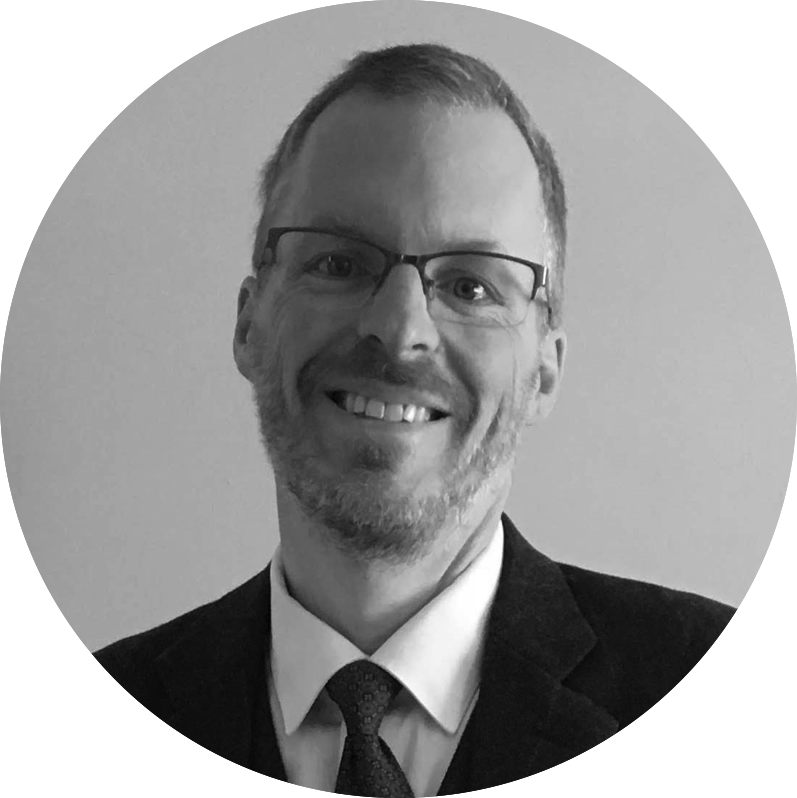
 Fr. John Perricone entered the seminary in 1970 and was ordained in 1976. He's seen the Church change in radical ways in that time, and he let's us know what it's been like to be a priest in a time of upheaval.